
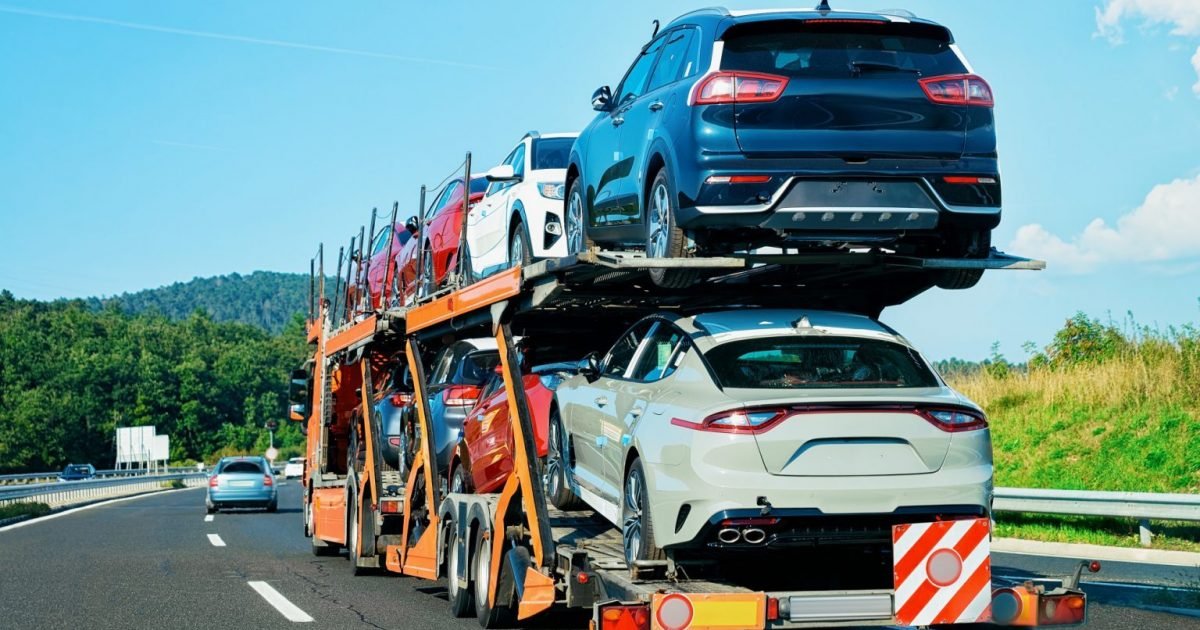
So you’ve booked your shipment (or you’re about to) — now the big question is: how long does it take to ship a car?
The short answer: most shipments take 2 to 10 days door-to-door, depending on distance. Short regional moves can wrap up in 1–3 days, while cross-country shipments typically take 7–10 days.
Below, we answer the most common questions about car shipping timelines, what affects them, and how to plan around a realistic delivery window.
Average Car Shipping Times by Distance
| Shipping Distance | Typical Transit Time |
|---|---|
| Under 500 miles | 1 – 3 days |
| 500 – 1,000 miles | 3 – 5 days |
| 1,000 – 2,000 miles | 5 – 7 days |
| 2,000+ miles (cross-country) | 7 – 10 days |
These estimates cover transit time only — the days the carrier is actively driving your vehicle to its destination. They don’t include the time it takes to find and dispatch a carrier after booking, which we’ll cover below.
Why Does It Take That Long? The Math Behind Transit Time
Auto transport drivers are bound by DOT hours-of-service regulations, which limit them to 11 hours of driving within a 14-hour duty period. In practice, this means most carriers cover roughly 400–500 miles per day.
So if you’re shipping a car 1,200 miles, the math looks like this: 1,200 miles ÷ ~450 miles per day ≈ 3 days of active transit, plus any time for pickups, drop-offs, and rest stops along the route. Add in the time it takes the carrier to reach your pickup location and complete other deliveries on the same trailer, and the full door-to-door window stretches to several extra days.
Booking Time vs. Transit Time: What’s the Difference?
One of the most common points of confusion is mixing up how long it takes to find a carrier with how long it takes to drive your car once it’s picked up. These are two separate clocks:
- Dispatch/booking window: the time between confirming your order and a carrier actually arriving to pick up your vehicle. This typically ranges from 1–5 days, depending on your route’s popularity and how flexible your pickup date is.
- Transit time: the time the carrier spends actively driving your vehicle from pickup to delivery, as outlined in the table above.
Your total timeline from booking to delivery is the sum of both. A 1,000-mile shipment might have a 2-day dispatch window plus 4 days of transit — a realistic total of about a week from booking to delivery.
7 Factors That Affect How Long Car Shipping Takes
1. Distance
The single biggest factor. Longer routes simply require more driving days, following the ~400–500 miles-per-day rule of thumb.
2. Route Density
High-traffic corridors between major metro areas (like Los Angeles to Las Vegas, or Chicago to Atlanta) move faster because carriers run these routes constantly and can slot your vehicle in quickly. Remote or rural pickup and delivery points can add 1–2 extra days, since fewer carriers service those areas regularly.
3. Open vs. Enclosed Transport
Open transport is generally faster to book due to higher carrier availability. Enclosed transport can extend the overall delivery window by an additional 2–3 days on average, since fewer specialized carriers are on the road.
4. Vehicle Type
Standard sedans load and unload the fastest. Oversized vehicles, non-running cars, and low-clearance vehicles require extra equipment and time at each stop, which can add to the overall schedule.
5. Season and Weather
Severe weather — snowstorms, hurricanes, flooding — can delay pickup or force a carrier to reroute. Peak moving season (late spring through summer) also means more vehicles competing for trailer space, which can stretch both the dispatch window and transit time.
6. Pickup Flexibility
A rigid, single-day pickup requirement gives carriers less room to fit your vehicle efficiently into their existing route. Offering a 2–5 day pickup window is one of the easiest ways to speed up dispatch.
7. Multiple Stops on the Same Trailer
Open carriers usually transport several vehicles at once, picking up and dropping off along the way. If your car is the last stop on a route with several deliveries ahead of it, your specific delivery day may land later in the carrier’s overall trip window.
How to Get Your Car Shipped Faster
- Be flexible with your pickup date. A wider window (3–5 days) makes it much easier for a carrier to fit you into an efficient route.
- Choose open transport if timeline matters more than extra protection — it has far more carrier availability.
- Book during the off-season (typically fall and winter) when demand for trailer space is lower.
- Ask about expedited or guaranteed pickup if you have a hard deadline — most carriers offer this for an added fee.
- Choose accessible pickup/delivery points — a nearby major highway or parking lot can be faster than a hard-to-reach rural address.
Example Timelines for Popular Routes
To make these ranges more concrete, here’s roughly what you can expect for a few common shipping routes, from booking confirmation to delivery:
| Route | Distance | Typical Total Timeline |
|---|---|---|
| Los Angeles to Las Vegas | ~270 miles | 1 – 2 days |
| Chicago to Atlanta | ~715 miles | 3 – 5 days |
| Dallas to Seattle | ~2,100 miles | 6 – 9 days |
| New York to Los Angeles | ~2,800 miles | 7 – 10 days |
High-density corridors like Los Angeles to Las Vegas tend to move faster than the raw mileage would suggest, simply because so many carriers run that route regularly.
What Happens on Delivery Day
As your vehicle gets closer to its destination, most carriers will call or text with a more specific delivery window — typically a few hours’ notice rather than an exact minute. Here’s what to expect:
- Inspect the vehicle together. Walk around the car with the driver and compare it to the condition report from pickup.
- Sign the bill of lading. This confirms the vehicle arrived and notes any new damage, if applicable.
- Have payment ready if any balance is due on delivery (many carriers collect the remainder in cash or certified funds at drop-off).
- Start the car if possible, to confirm it’s running the same as when it was picked up.
Having someone available to receive the vehicle — you or an authorized representative — helps avoid rescheduling delays, which can add a day or more if no one is present at the agreed time.
Frequently Asked Questions
How long does it take to ship a car cross-country?
Cross-country shipments (2,000+ miles) typically take 7 to 10 days of transit time, plus a dispatch window of a few days to find and confirm your carrier.
How long does it take to ship a car a short distance, like under 500 miles?
Short regional shipments usually arrive within 1 to 3 days of pickup, making them the fastest type of shipment to complete.
Does enclosed transport take longer than open transport?
Yes, typically by an additional 2–3 days on average. Enclosed carriers are less common, so it can take longer to find one available for your specific route and dates.
Can I track my car during shipping?
Most reputable carriers provide GPS tracking or regular driver updates so you can follow your vehicle’s progress and get a more precise delivery estimate as it gets closer to its destination.
What causes car shipping delays?
The most common causes are severe weather, mechanical issues with the carrier truck, traffic congestion, and last-minute changes to pickup or delivery details. According to FMCSA data, the large majority of shipments still arrive within their estimated delivery window despite these occasional disruptions.
Should I plan around the fastest possible delivery date?
It’s safer to build in a buffer of a few extra days beyond the carrier’s estimate, especially for cross-country shipments, in case of weather or routing delays. If you have a hard deadline (like a closing date or move-in day), communicate that clearly when booking so your carrier can plan accordingly.
Does the time of year affect how long shipping takes?
Yes. Summer months see the highest shipping volume, which can extend both the dispatch window and total delivery time. Booking in the off-season, or well in advance during peak months, helps keep your timeline on track.
Does shipping an international route take much longer?
Yes, significantly. International auto shipping typically adds ocean or border transit and customs processing on top of standard trucking time, often stretching the total timeline to 1–6 weeks depending on the destination country and shipping method.
Get a Timeline Estimate for Your Shipment
Every route is different, and the best way to know your real delivery window is to get a personalized estimate based on your exact pickup and drop-off locations.
Get a free quote from NexGen Auto Transport and find out exactly how long your shipment will take, with transparent scheduling from pickup to delivery.
